GENESIS VENTURES

WORK

Reference releases: Orion turbojet and Orion-T1

A turbojet reference design release should show more than the selected answer. These packages publish the design point, the points that lost, the geometry generated from the solution and the checks used to judge it. They are evidence for how a Genesis package closes. Client engagements follow them, published as case studies wherever confidentiality allows.

What a reference release is for

Read the result, then read the basis and the margin behind it.

A closed design point answers a narrow question: whether a configuration can meet a frozen brief inside the stated model. The useful commercial artefact is the trail around that answer. It should expose the operating condition, the requirement, the measured result and the alternatives that were screened out.

Orion is the propulsion reference. Its cycle selection moves from the supplied baseline through a rejected screening point to the final engine. The station tables, mass model and geometry all follow that closed point. The check matrix then places a measured value beside a declared threshold, so a buyer can inspect the margin behind each verdict.

Orion-T1 is the vehicle reference. It takes the engine mass, envelope and performance deck into an airframe, then checks installation clearance, mass, balance and flight-dynamics behavior. The two releases show the handoff from an uninstalled engine solution to an installed aircraft model.

PROJECT 001 | PROPULSION

Orion
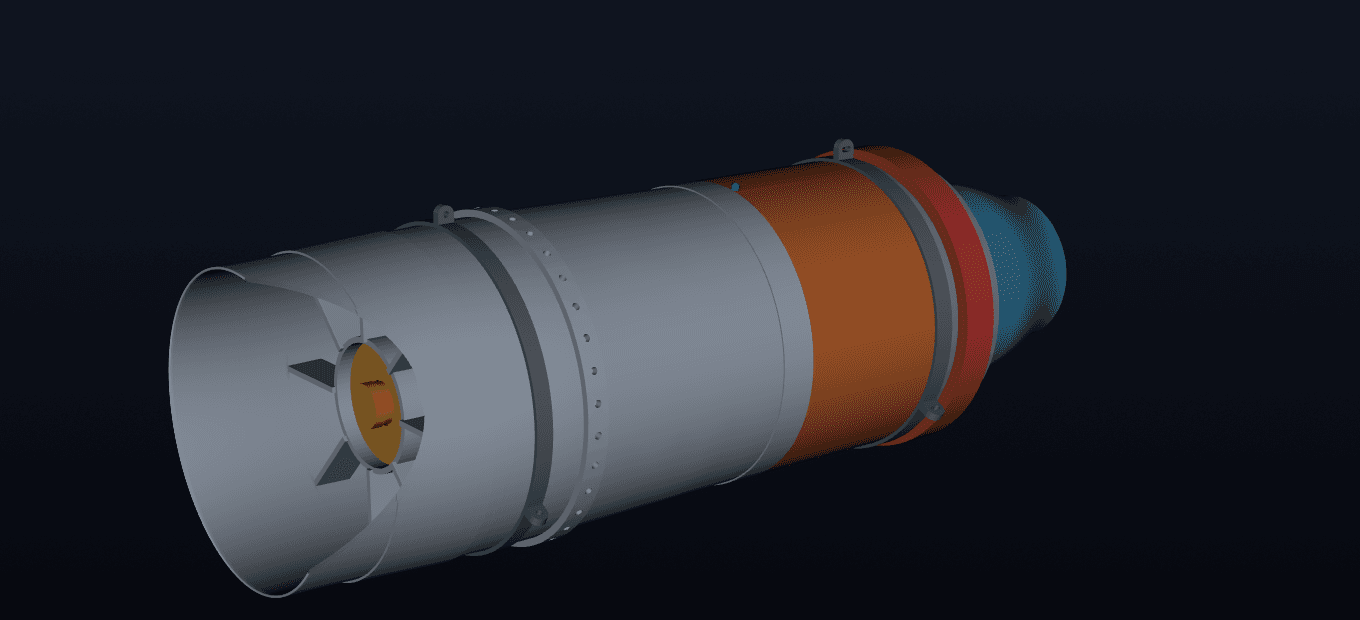
Orion GT1 single-spool turbojet core, fully assembled with compressor, combustor, turbine and nozzle

A single-spool turbojet concept redesigned against a fixed brief: hold thrust and reduce TSFC. The selected point closed at 13.34 kN with a TSFC of 99.3 kg/(kN·h). The prescribed 8.5 : 1 screening point missed the fuel target and remains in the release beside the selected 11.0 : 1 point.

The release connects the cycle to geometry and verification. It contains the six-stage compressor station solution, component mass budget, AP214 STEP assembly, repaired release mesh and the complete check matrix. The mesh record reports 5,252,496 triangles and 0 boundary and non-manifold edges. This is the evidence behind the published design point.

SEA-LEVEL STATIC THRUST
13.34 kN
TSFC
99.3 kg/(kN·h)
AUTOMATED CHECKS
19/19

Orion Engine: final concept package, generated 4 August 2026.

THE ORION RELEASE →
PROJECT 002 | TARGET DRONE

Orion-T1

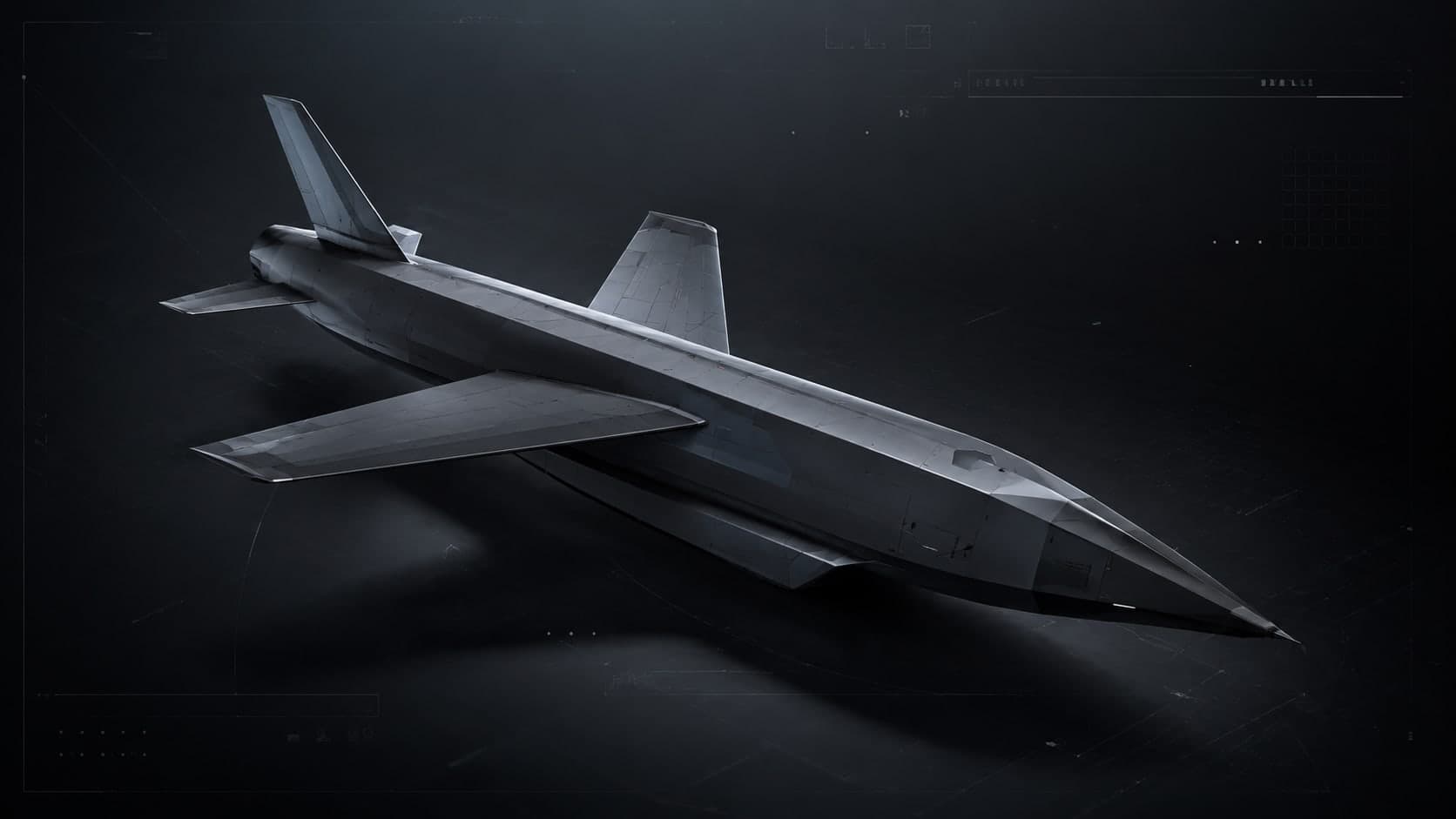
Orion-T1 Block 2 target drone with pointed radome, chined fuselage, swept wing and aft-mounted engine

The concept target drone closed around the Orion engine. Its configuration combines a blended chin inlet, an area-scheduled S-duct, an aft-mounted engine, air-launch and parachute recovery. The release carries the engine installation through the vehicle mass and balance solution.

The reference geometry is one boolean-fused closed solid. The published balance closes at 696.5 kg, with a 0.130 MAC static margin and 15.55 mm radial, verified engine-bay clearance. A 6-card 6-DoF simulation program covers trim, launch separation, maximum level speed, climb, sustained turn, and fuel and thrust anchors. The receipt records simulation conditions, expectations and measured results.

MAXIMUM TAKEOFF WEIGHT
696.5 kg
MAXIMUM LEVEL SPEED
stabilised Mach 0.967
SCRIPTED 6-DOF TESTS
6 passes

Orion-T1 Block 2, published with its mass budget, balance solution and flight test record.

THE T1 RELEASE →

Client engagements

Delivered work for clients, published without their geometry, material or operating conditions. What is published is the failure, the repair and the checks the handoff was released against.

ENGAGEMENT 001 | MULTIPHASE CFD

Fluidized-bed dryer rescue

A transient Eulerian-Eulerian drying model that ran without drying. The reported driving force went negative in parts of the bed, the solid gained moisture in places, and the drying rate collapsed toward zero after months of work on the case.

The audit separated the setup error from the constitutive-model error before changing either. A water balance cleared the source direction, which put the failure on the gas side: a boundary hook was feeding a nominally dry inlet with humid gas. Repairing it was necessary and not sufficient, so the transfer model was rebuilt with external gas-film transfer, internal moisture resistance and a smooth falling-rate transition.

HANDOFF CHECKS
6 of 6 passed
SOLVER
Ansys Fluent, C UDF
DELIVERED
Rerunnable case, source

Client, material, geometry and operating conditions are confidential. No project-specific experimental drying curve existed, so the result is a verified computational handoff within the supplied assumptions, not experimental validation.

THE CASE STUDY →

How to audit the releases

Start with the claim that matters to your mission and follow it back to its condition and check.

Compare measured values with declared requirements.

The Orion page publishes the model basis, design and off-design conditions, cycle-selection trail, station data, geometry manifest, mass basis and all automated checks. A rejected point is evidence too: it shows where a candidate failed the frozen target and why the selected point replaced it.

The T1 page publishes vehicle configuration, mass and balance, plus the expectation and measured result for each scripted 6-DoF simulation card. Read those results as a consistency check between the design files, engine deck and flight model. Their evidence covers behavior inside the published simulation model.

For the buying criteria behind that review, read the guide to turbojet concept design deliverables and the worksheet for comparing small-turbojet design proposals.

Boundary

Model outputs with their verification basis.

Each reference release contains the model outputs, assumptions and declared checks for its design scope. Genesis Ventures delivers fixed-scope concept design and analysis packages. The engine page carries cycle and geometry evidence. The airframe page adds mass, balance, installation and scripted 6-DoF simulation receipts. These artefacts give later engineering stages an auditable input.